Il teatrodi Francesco Tarlano
Il teatro, posto nel settore sud-occidentale dell’area urbana, costituisce, insieme con l’anfiteatro, il monumento meglio conservato, in elevato e in pianta, di tutto il centro. Nonostante ciò, in passato fu talvolta menzionato erroneamente come anfiteatro da eruditi locali. Grumentum, fondata in un periodo in cui ancora non si era soliti dotare la città di un’area per gli spettacoli, presenta i due principali edifici per gli spettacoli ai due estremi della città. Mentre l’anfiteatro fu posto in una zona marginale, il teatro non è molto distante dal foro, e, come tutti i monumenti principali del sito, ad eccezione dell’anfiteatro, si affaccia sul decumano principale. L’edificio non era previsto al momento dell’impianto urbanistico repubblicano, infatti è situato a cavallo di due isolati.
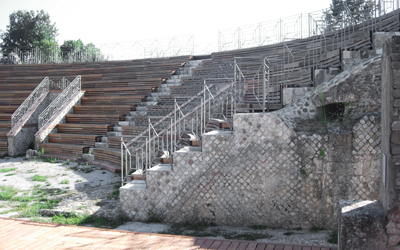
I primi scavi sistematici operati sul teatro furono operati nel biennio 1956-57 da Pellegrino Claudio Sestrieri, che ha rimesso in luce tutta la scaenae frons, “integra con le sue tre valvae e le versurae” e metà della cavea, di cui si conservano, in parte, gli ultimi gradini. La costruzione esterna è in opera reticolata (opus reticulatum) di accuratissima esecuzione, con contrafforti che dovevano sostenere le arcate. Infatti durante quella campagna di scavo furono ritrovati sul terreno numerosi conci in calcare e alcune cornici d’imposta degli archi.
Circa la datazione, il Sestrieri ritiene che il monumento fu fatto a cavallo tra l’età augustea e l’età tiberiana. Tra il 1964 e il 1967 si diede inizio ad un’ampia opera di restauro, sotto la direzione del Soprintendente alle Antichità della Basilicata dell’epoca, Dinu Adamesteanu. In seguito al crollo delle volte dell’ambulacro esterno porticato, erano infatti in pericolo gli speroni perimetrali, mentre la cortina in opus reticulatum era in totale disfacimento. Adamesteanu, quindi, si occupò del consolidamento degli speroni esterni e del restauro dell’opera reticolata. Inoltre furono riportate a posto le volte crollate, così come i muri crollati della scena. Nello sgombero del materiale di crollo, furono rinvenuti diversi timbri di mattoni, nonché il piede di una grande statua in bronzo dorato, qualche esemplare di lucerna di tipo africano e diversi blocchi della cavea (alcuni muniti di perni per il fissaggio).
Secondo l’archeologo rumeno, le strutture della cavea e dell’ambulacro risalgono al I secolo d.C.; la scena è databile al II secolo d.C., ma vi sono chiare tracce di rifacimenti dell’inizio del IV secolo d.C. Nel 1970 l’architetto Theodorescu condusse un accurato studio architettonico dal quale scaturirono i rilievi completi del monumento e una ricostruzione del suo aspetto originario. Il teatro di Grumentum, come in generale il teatro romano, è costituito da tre parti, tra loro strettamente connesse a costituire un solido organismo centripeto: la cavea, l’orchestra e la scena. Tra queste tre parti, sembra esserci una disomogeneità di cronologia. Le ipotesi sulla datazione del monumento sono discordi: si basano comunque tutte unicamente sull’osservazione delle tecniche costruttive impiegate. Più precisamente, le strutture della cavea sono caratterizzate da un paramento in opus reticulatum a blocchetti piramidali di pietra viva grigio-chiara, di esecuzione abbastanza regolare; nella scena è invece presente un'opera vittata (opus vittatum) a ciottoli di fiume spaccati e disposti secondo filari orizzontali regolari, livellati ad una certa altezza da una fascia in laterizi. La posteriorità della scena attuale rispetto alla cavea è attestata, più che da questa diversità di tecniche costruttive, dall’affiorare, al di sotto della scena, di strutture realizzate nella stessa opera reticolata della cavea. Il Sestrieri data la cavea alla fine dell’età augustea, mentre Dinu Adamesteanu la data nel I secolo d.C. Circa la datazione della scaena attuale il Sestrieri data il rifacimento al periodo tiberiano, Adamesteanu ne posticipa la cronologia al II secolo.
Alcuni sondaggi effettuati nel 1971 immediatamente a nord della scena del teatro hanno da un lato confermato la cronologia dell’archeologo rumeno, precisandola verso gli inizi dell’età severiana, dall’altro, hanno sottolineato la complessità della situazione, poiché tanto nella cavea quanto nella scena sono presenti numerosi interventi di restauro, e quindi molteplici fasi costruttive, che hanno accompagnato la storia del monumento dall’età augustea fino al suo abbandono, avvenuto attorno al V secolo. Di tipo prettamente romano, il teatro, che fu edificato sopra un impianto artigianale ellenistico, presenta una cavea di forma semicircolare, ampia 46.40 metri, e saldata alla scena con parodoi coperte. La cavea, autoportante, si sviluppava interamente in elevato e quindi si poggiava su sostruzioni in muratura con contrafforti. Attualmente si è conservata per un’altezza (9 metri) corrispondente più o meno alla metà di quella originaria.
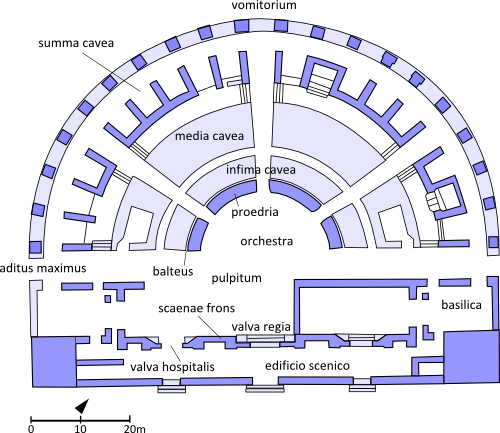
La cavea, il cui diametro misura 128 metri aveva un prospetto esterno costituito da una doppia fila di arcate, che sostenevano il piano inclinato con i sedili, posti in gradinate, in pietra, oggi quasi completamente scomparsi. Ai sedili si accedeva mediante gradinate situate all’interno dell’ambulacro coperto che correva immediatamente alle spalle del porticato esterno. Due corridoi semianulari sovrapposti, coperti con volte a crociera, permettevano l’accesso degli spettatori a tutta la cavea, suddivisa dal basso verso l’alto in tre ordini di posti (infima, media e summa cavea), riservati a cittadini di rango progressivamente decrescente. Quattro scalinate (scalaria) salivano dall’orchestra e ripartivano la cavea in cinque cunei. Le gradinate risalgono all’impianto originario e sono sostenute da una massiccia struttura in cementizio. Altri cinque corridoi coperti, due parodoi e tre vomitoria, disposti a ventaglio trasversalmente alla cavea, consentivano l’accesso diretto all’orchestra, oppure alle file inferiori delle gradinate, separate dalle altre con una transenna in pietra e riservate all’ordo decurionum, o comunque alle personalità più importanti della città. L’orchestra probabilmente era utilizzata in parte dagli attori, ma poteva anche costituire un’appendice della cavea. Munzi ritiene infatti che al suo interno fossero collocati i sedili riservati ai personaggi più eminenti della città (proedria), separati dalle retrostanti gradinate per mezzo di un muretto (balteus). Il diametro dell’orchestra è di 32 metri.
Il prospetto della scena si innalzava su due piani, ed era coperto, insieme al palcoscenico, da un tetto spiovente verso l’esterno. Il progetto originario prevedeva sul retro della scena un piazzale porticato (porticus post scaenam), che venne poi abolito al momento della ricostruzione della scenae frons attorno al 198 d.C. Tra gli altri rifacimenti nell’edificio scenico ricordiamo l’ampliamento delle basilicae e l’apertura di due passaggi tra queste e il pulpitum.
Secondo Sear, la scaenae frons del teatro di Grumentum, che presenta tre esedre, due leggermente semicircolari e una rettangolare, poco profonde, è una variante della tipologia della scaenae frons del teatro di Pompeo, come del resto anche quelle dei teatri di Benevento, Taormina e Siracusa. Inoltre Sear sottolinea la probabile contemporaneità di queste quattro scaenae frontes (indica gli inizi del II secolo d.C.). Negli scorsi decenni, Liliana Giardino, grazie a saggi operati all'interno della struttura, ha chiarito diverse problematiche relative alla cronologia e alla planimetria dell'edificio e alle tecniche edilizie impiegate nella sua costruzione.
Il teatro è stato recentemente oggetto di un restauro conservativo da parte della Soprintendenza per i Beni Archeologici della Basilicata: la scena è stata risistemata con un palco ligneo, e la cavea è stata dotata di sedili amovibili. L’intervento, ultimato nel 2010, ne ha reso gli spazi fruibili per ospitare importanti eventi estivi, come la rassegna Teatri di Pietra, durante la quale si svolgono rappresentazioni teatrali con registi interpreti di fama internazionale.
Copyright testo e immagini (ove non inseriti altri riferimenti) di Francesco Tarlano. |



 La scena è invece costituita da mattoni e tufelli, mentre le versurae sono costruite con grossi ciottoli fluviali di forma allungata disposti obliquamente e intramezzati da corsi di mattoni.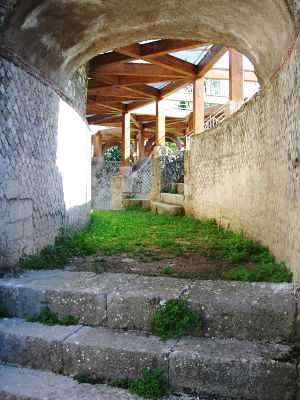
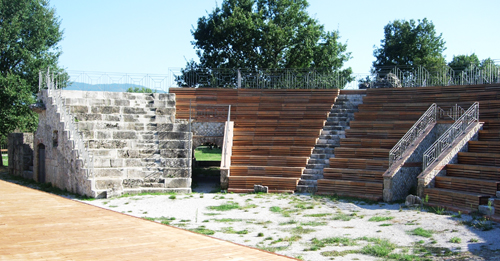
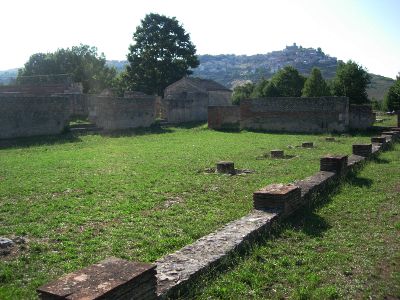 Di fronte all’orchestra, e sopraelevato di circa un metro e mezzo rispetto al piano di questa si trovava il palcoscenico, un tavolato ligneo sostenuto da travi. Il muro di fondo fungeva da scenario monumentale della recitazione. L’edificio scenico, di tipo abbastanza complesso, è caratterizzato dalla presenza di tre porte (porta regia al centro e portae hospitales ai lati), che, oltre a costituire il fondo del palcoscenico (pulpitum), servivano a mettere in comunicazione quest’ultimo con la scena e con l’area aperta a nord; pertanto da queste uscivano gli attori. La scaenae frons era articolata in tre grandi esedre, al centro delle quali si aprivano le tre porte.